- Family company celebrates its anniversary at the Letmathe plant
- From wire-drawing soaps to stabilisers, process fluids and battery materials
- New permanent exhibition on the company's history, including the war years
Iserlohn, 12 September 2026 – MEINHARDT celebrated its 135th anniversary with around 1,500 guests – employees, their families and neighbours – at the Letmathe plant. Plant tours, lab shows and a programme for children drew visitors from Iserlohn and the Lenne valley.
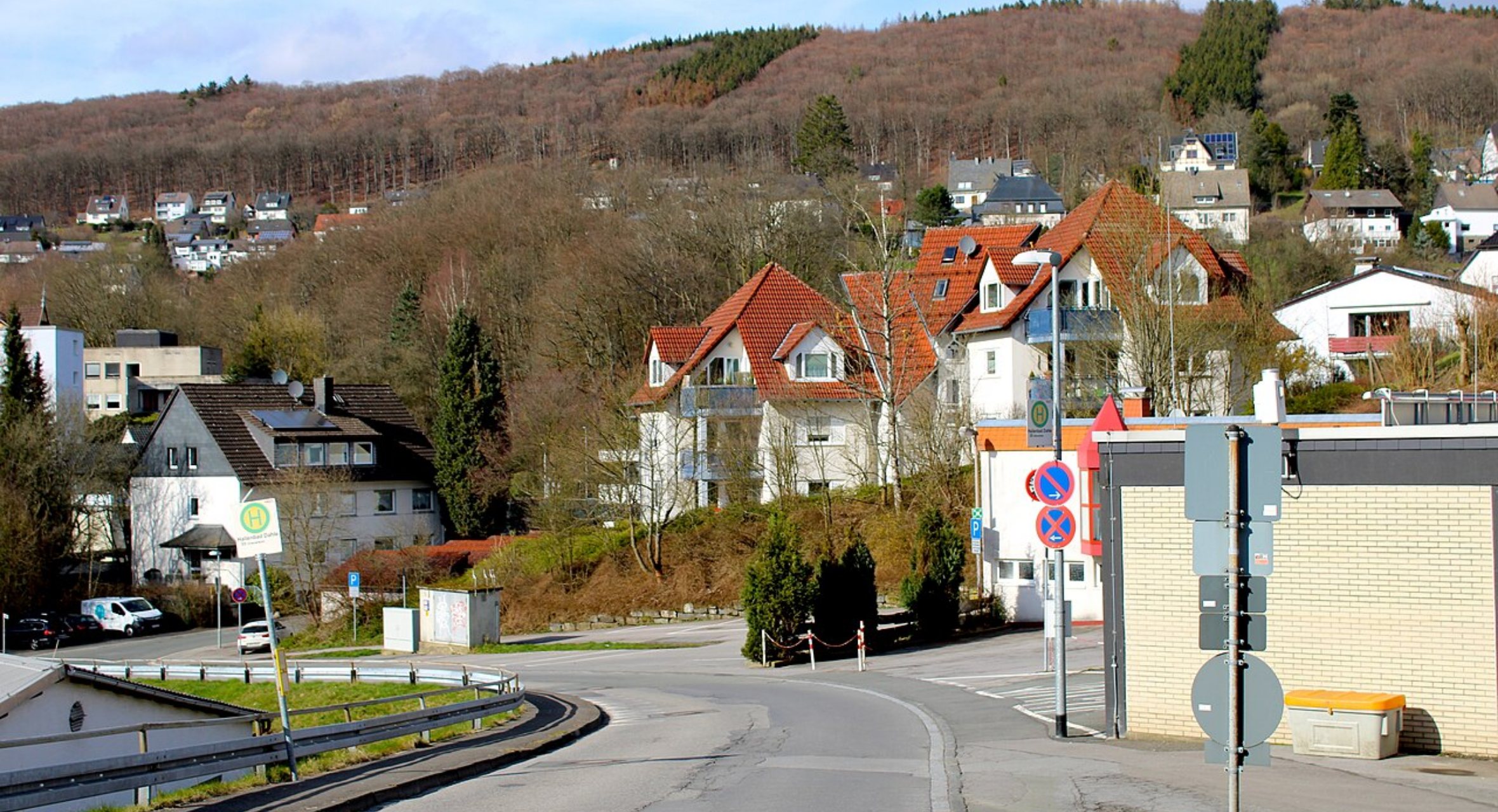
From the mills of the Lenne valley
In 1891 chemist Dr. Friedrich Meinhardt and wire merchant Wilhelm Schürmann began making wire-drawing soaps for the mills of Iserlohn. The first deliveries went out by horse cart. Metal soaps followed in 1906, the LENNOL brand in 1912 and the first PVC stabilisers in 1959.
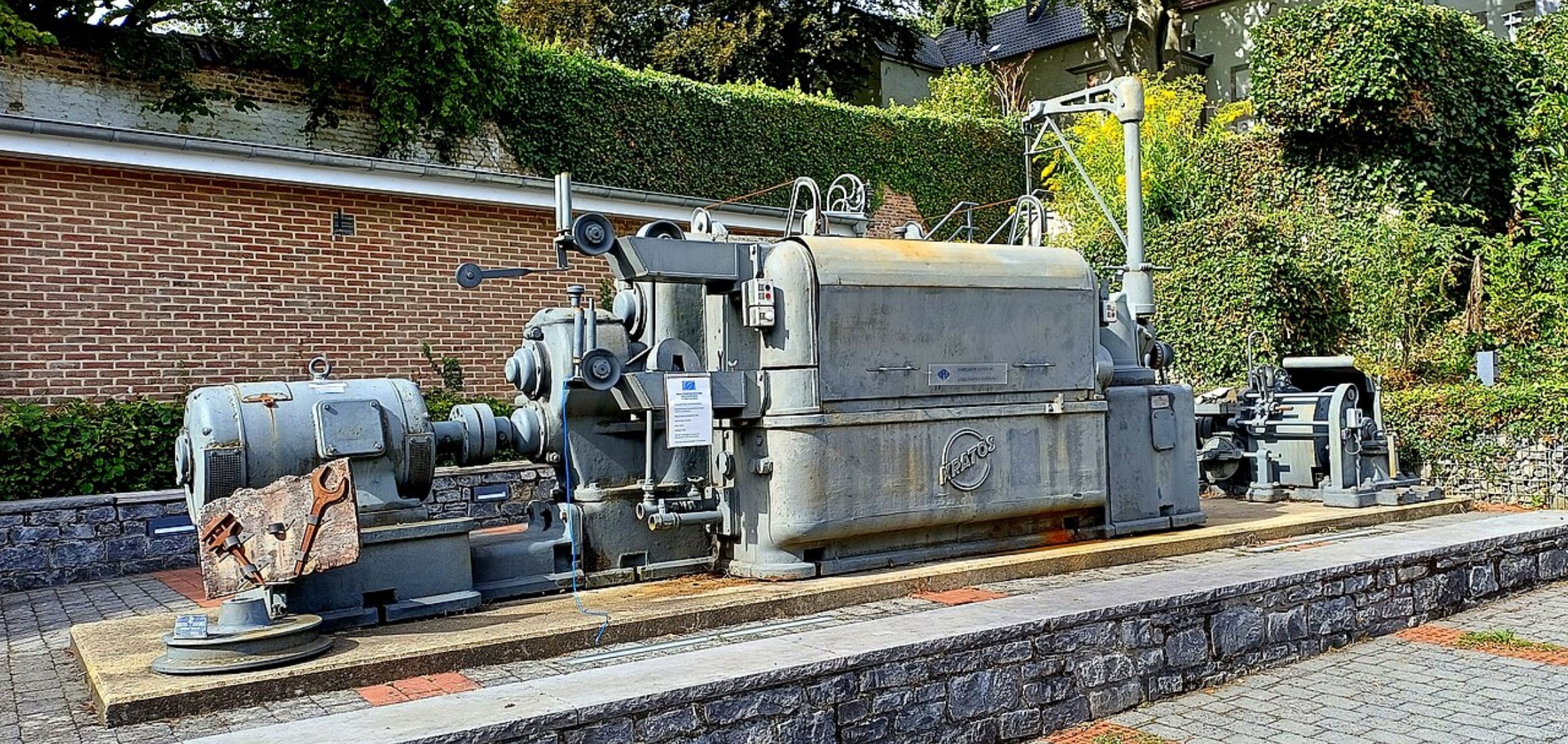
Wire drawing has shaped the region for centuries. Historic drawing machinery on display.
Four divisions, one family
Today the company has four divisions and around 1,400 employees in eight countries. Its products are used in window profiles, pipes, screws, wire, car bodies and battery packs. The shares are still held by about 110 descendants of the founder.
“Our customers do not see most of what we make. It stays in the process. That we are still here after 135 years is down to people who know those processes better than anyone.”
Dr. Susanne Albrecht, CEO
Looking at the difficult chapters too
The anniversary year also looked back at the forced labour at the Letmathe plant during the Second World War. A permanent exhibition on the company's history, prepared with local historians, opened in the Iserlohn training centre. It is open to schools and visitors by appointment.
About MEINHARDT: MEINHARDT is a family-owned specialty chemicals company headquartered in Iserlohn, Germany. Its four divisions MEINHARDT Additives, MEINHARDT Lubricants, ZOLLINGER and HÜLSBERG develop additives, process fluids and materials used wherever metals and plastics are formed, treated and protected. Around 1,400 people work for MEINHARDT at nine production sites in Germany, the Netherlands, Hungary, China and the USA.